Top 10 Most Used Apps in Korea in 2026
If you’ve ever visited Korea, you’ve probably noticed something surprising. Koreans are glued to their smartphones — but not always the apps you’d expect. While the rest of the world opens Instagram or Google first, Koreans reach for something entirely different. The mobile app landscape in Korea is uniquely shaped by local culture, homegrown tech giants, and the fastest average internet speeds on the planet.
This ranking is based on real domestic monthly active user data in 2026 — not global download numbers or marketing budgets. Understanding the most used apps in Korea gives you a genuine window into how Koreans live, shop, communicate, and consume content every single day.
Whether you’re a traveler heading to Seoul, a marketer targeting Korean consumers, or simply a curious global citizen, this list will surprise you. Some entries are familiar. Others you’ve probably never heard of. Let’s count down from No. 10 to the undisputed No. 1.
Quick Summary: Top 10 Most Used Apps in Korea (2026)
| Rank | App | Category |
|---|---|---|
| No. 1 | KakaoTalk | Messaging / Super-App |
| No. 2 | YouTube | Video Streaming |
| No. 3 | Search / Ecosystem | |
| No. 4 | Naver | Search / Portal |
| No. 5 | Chrome | Mobile Browser |
| No. 6 | Coupang | E-Commerce |
| No. 7 | Naver Maps | Navigation |
| No. 8 | Social Media | |
| No. 9 | Samsung Gallery | Photo Management |
| No. 10 | Band | Community / Groups |
Rapidly Rising in 2026: Toss (fintech), Disney+ (streaming), Temu (shopping)

No. 10 — Band: Korea’s Quiet Community Powerhouse
You’ve almost certainly never heard of Band. Outside Korea, it barely registers. Inside Korea, however, it is one of the most consistently used social platforms in the country — and it has been for over a decade.
Band, developed by Naver, is a private group-based community app. Think of it as Facebook Groups and a messaging app combined, but built specifically for closed real-world communities. Schools use it for teacher-parent communication. Sports clubs coordinate practices through it. Church groups manage their entire community calendar on Band.
What makes Band unique is its focus on real communities rather than public audiences. There are no followers, no viral posts, and no algorithm-driven feeds. Everything happens inside tight, invite-only groups — the complete opposite of Instagram.
In 2026, Band holds strong among users aged 30 and above, particularly parents and community organizers. It’s a perfect example of how Korean apps solve specific social needs that global platforms simply overlook.
Did you know? Band has over 50 million registered users globally, with the vast majority based in Korea.
No. 9 — Samsung Gallery: The App 70% of Korea Opens Every Day
It might seem surprising to see a pre-installed photo app on this list. But the numbers make sense once you understand one fact: Samsung Galaxy smartphones hold over 70% domestic market share in Korea in 2026. That means most Koreans open Samsung Gallery every single day.
Samsung Gallery goes well beyond basic photo viewing. It uses on-device AI to automatically categorize photos by location, date, and the people in them. It syncs with Samsung Cloud, integrates directly with Quick Share, and creates automatic highlight reels from your camera roll — a feature many Korean users prefer over Google Photos.
For foreigners, this entry is a useful reminder. Buy a phone in Korea and you’re almost certainly getting a Samsung. And Samsung’s native apps are genuinely polished — not just bloatware.
Did you know? Samsung Gallery’s AI highlight feature processes photos entirely on-device, meaning your memories never leave your phone.
No. 8 — Instagram: Global Platform, Distinctly Korean Flavor
Instagram ranks No. 8, but don’t underestimate its cultural weight. In Korea, Instagram is the dominant platform for food discovery, fashion, K-beauty launches, and small business marketing.
Korean Instagram culture has its own distinct identity. Cafés compete to create the most photogenic drinks and interiors. K-beauty brands launch products exclusively through Instagram Stories. Independent boutiques in Hongdae run their entire storefront through DMs and posts. The “맛집” (matjip — great restaurant) hashtag alone has hundreds of millions of posts, and finding your next Seoul meal through Instagram is completely normal behavior.
In 2026, Instagram also serves as the central hub for K-pop fan communities globally, with idol fan accounts regularly reaching millions of followers. It’s where Korean pop culture and the rest of the world overlap most visibly.
Did you know? Korea has one of the highest Instagram engagement rates in Asia — Korean users don’t just scroll, they actively interact far above the global average.
No. 7 — Naver Maps: The Only Navigation App That Actually Works in Korea
If you’ve ever tried Google Maps in Korea, you already know the frustration. Turn-by-turn navigation is unreliable, local business data is often missing, and public transit directions fall short. This isn’t a bug — it’s the result of South Korea’s strict geospatial data export regulations.
Naver Maps solves every one of these problems. In 2026, it is the undisputed navigation app of choice for Korean drivers, pedestrians, and transit users alike. Real-time bus arrivals, subway transfer guides, indoor mall maps, live road conditions, and restaurant reviews with photos — all built directly into one app.
For tourists, Naver Maps has become essential. Full English-language support now makes it one of the most recommended tools for foreigners navigating Korean cities.
Did you know? Naver Maps shows live crowd density inside Seoul subway stations, helping commuters choose less congested exits — a level of detail no global mapping app currently matches.
No. 6 — Coupang: The Most Used Shopping App in Korea
Coupang is the app that makes every foreigner’s jaw drop. Order almost anything before midnight. Wake up the next morning. It’s already at your door. This is “로켓배송” (Rocket Delivery) — and in 2026, it remains the gold standard of e-commerce speed anywhere on Earth.
Korea’s answer to Amazon, Coupang covers groceries, electronics, fashion, pharmaceuticals, and thousands more categories with next-morning delivery across major cities. The company runs its own end-to-end logistics network, with delivery workers operating through the night to hit their morning deadlines.
In 2026, Coupang has expanded into food delivery (Coupang Eats), streaming (Coupang Play), and travel bookings — steadily evolving into Korea’s most ambitious commerce super-app.
Did you know? Coupang’s Rocket Delivery fulfillment rate consistently exceeds 99% — a figure that global logistics giants study closely.
No. 5 — Chrome: Fast, Familiar, and Everywhere
Chrome’s presence at No. 5 on the most used apps in Korea list reflects one simple reality: most Koreans use Android, and every Android device comes with Chrome pre-installed.
But Chrome has kept its position through genuine merit, not just default status. Its seamless cross-device sync, reliable performance on Korea’s ultra-fast mobile networks, and automatic Korean-to-English page translation make it the browser of choice for millions of users. Samsung Internet and Naver’s own browser offer strong competition, but Chrome’s ecosystem advantages keep it firmly in the top five.
For foreign visitors, Chrome’s translation feature is particularly valuable — it instantly converts Korean websites, menus, and shopping platforms into readable English, making daily life in Korea significantly easier.
Did you know? Chrome pages load noticeably faster in Korea than in most other countries, thanks to Korea’s world-leading average mobile internet speeds.
No. 4 — Naver: Korea’s Internet Within the Internet
To understand Naver, forget everything you know about search engines. Naver is a portal, a news platform, a blogging ecosystem, a shopping mall, a webtoon publisher, a stock tracker, and a Q&A community — all in one app.
Naver has dominated Korean internet culture since the early 2000s, and in 2026, it remains the No. 1 search engine in Korea by market share — ahead of Google. This is one of the only developed markets in the world where Google doesn’t hold the top search position.
Why? Naver was built specifically for Korean content, Korean language nuances, and Korean user behavior. Korean consumers trust Naver Blog posts and Naver search results more than standard Google results — a habit built over two decades that no algorithm update can easily undo.
Did you know? Naver Webtoon is the origin of global K-drama hits like Sweet Home and Itaewon Class — both started as Naver comics before becoming Netflix series.
No. 3 — Google: The Global Giant Playing Catch-Up
Here’s the fact that surprises almost every foreigner: Google is not No. 1 in Korea. In search market share, it consistently trails Naver. Yet Google still ranks No. 3 overall among the most used apps in Korea — powered by Gmail, Google Drive, Google Translate, and deep Android integration.
Korean users who work in international environments rely heavily on Google’s ecosystem. Google Translate, in particular, has become indispensable for Koreans navigating English-language content — and for foreigners trying to read Korean.
In 2026, Google is making aggressive moves in AI-powered search, directly challenging Naver’s dominance. Naver is fighting back with its own AI search tools. The battle for Korea’s search market is heating up — and the outcome is far from certain.
Did you know? Korean is now one of the most-used language pairs on Google Translate globally, driven by worldwide demand for K-pop and K-drama content.
No. 2 — YouTube: The Most Used App for All Generation
YouTube is not just a video platform in Korea — it is the primary source of news, entertainment, education, and music for millions of Koreans across every age group. In 2026, Korean users spend an average of over 40 hours per month on YouTube, one of the highest figures in the world.
Korea is one of YouTube’s most engaged markets globally. Independent news channels on YouTube attract millions of Korean subscribers who trust them more than traditional broadcasters. K-pop labels like HYBE and SM Entertainment treat YouTube as their primary global stage. And millions of Koreans use YouTube as background audio while working or commuting — treating it the way other countries treat radio.
Did you know? Korean content generates billions of monthly views from outside Korea, making Korean YouTube creators some of the highest-earning on the platform worldwide.
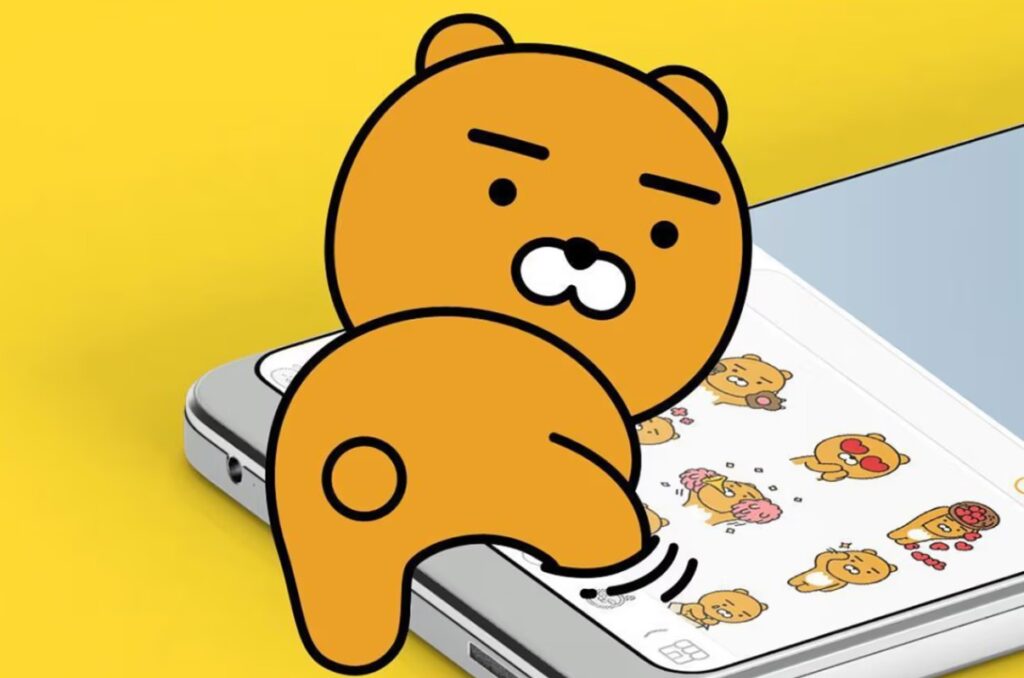
No. 1 — KakaoTalk: The App That Runs Korea
KakaoTalk is not just the most used app in Korea. It is the operating system of Korean social life. In 2026, KakaoTalk has a penetration rate of over 97% among Korean smartphone users. If you are in Korea with a phone, you almost certainly have KakaoTalk. No other app anywhere in the world dominates a developed market this completely.
Launched in 2010 as a free messaging app, KakaoTalk has grown into a full super-app ecosystem. Users send money through KakaoPay, order food through Kakao Delivery, hail taxis through Kakao Mobility, log into government websites with their Kakao ID, and manage bank accounts through KakaoBank. Entire businesses operate through KakaoTalk group chats.
For foreign visitors, KakaoTalk is non-negotiable. Korean landlords, businesses, tour guides, and friends will all expect to reach you through KakaoTalk. Download it before you land in Seoul.
Did you know? During Chuseok and Lunar New Year, KakaoTalk processes over 10 billion messages in a single day — more than one message for every person on Earth.
Rapidly Rising in 2026: Three Apps to Watch
Three apps didn’t make the top 10 this year — but they’re growing fast enough to watch closely.
Toss is Korea’s leading fintech super-app, letting users manage all their bank accounts, credit cards, investments, and credit scores in one place. It has become the default financial app for Koreans under 40.
Disney+ has gained serious momentum in Korea through original Korean drama productions. Its investment in local content is paying off, pulling millions of subscribers away from domestic streaming platforms.
Temu, the Chinese ultra-low-price shopping platform, has seen explosive growth among younger Korean consumers. Its aggressive pricing is putting real pressure on Coupang and traditional Korean e-commerce players.
What These Apps Tell Us About Korea
The most used apps in Korea in 2026 reveal something important. Koreans are among the world’s most demanding, mobile-first users — and they reward apps that are fast, deep, and built for their specific needs. KakaoTalk’s near-total dominance proves the power of a locally built super-app. Naver’s resilience against Google shows that cultural fit beats global scale. And Coupang’s logistics miracle demonstrates what e-commerce looks like when speed is the only metric that matters.
These ten apps are not just tools. They are a map of how 50 million people live, connect, and spend money every day. Which entry surprised you the most? If you’re planning a trip to Seoul, explore our guides on [/essential-apps-for-korea-travel] and [/how-to-use-kakao-in-korea] to get fully prepared before you land.
Frequently Asked Questions
What is the most used app in Korea in 2026? KakaoTalk is the most used app in Korea in 2026, with over 97% penetration among Korean smartphone users. It functions as a messaging app, payment platform, food delivery service, and banking tool all in one.
Do Koreans use WhatsApp? Almost never. KakaoTalk dominates Korean messaging completely. WhatsApp has minimal usage in Korea, and most Koreans have never used it for domestic communication.
Is Google the top search engine in Korea? No. Naver consistently holds a higher search market share than Google in Korea — making Korea one of the only developed countries in the world where Google is not the leading search engine.
What shopping app do Koreans use most? Coupang is by far the most popular shopping app in Korea in 2026, largely because of its Rocket Delivery service that guarantees next-morning delivery on most orders.
What apps should I download before visiting Korea? Download KakaoTalk for communication, Naver Maps for navigation, and Coupang for shopping and delivery. These three apps will cover most of your practical needs throughout your stay in Korea.