
Best Restaurant Chains in Korea Top 10 – 2026
If you want to understand Korean food culture, skip the fine dining guides. Instead, follow the crowds. The most visited restaurant chains in Korea reveal exactly what Koreans eat on a Tuesday afternoon, after a long shift, or with the whole family on a Sunday. This is real Korean foods culture — not the curated version served to tourists, but the everyday reality of 50 million people choosing where to eat.
Korea’s restaurant chain industry is one of the most competitive food markets in the world. Koreans eat out frequently, have exceptionally high standards for speed and consistency, and are completely unforgiving of mediocre food. Every chain on this list has survived that pressure and won. That alone makes them worth knowing.
Whether you are planning a trip to Seoul, studying Korean food culture, or simply curious about what Koreans actually eat — this list gives you the most honest picture available. Some entries will be familiar. Others will surprise you completely. Let’s count down from No. 10 to the single most visited restaurant chain in Korea in 2026.
Quick Summary: Most Visited Restaurant Chains in Korea (2026)
| Rank | Chain | Category | Known For |
|---|---|---|---|
| No. 1 | Lotteria | Burger / Fast Food | Korea’s oldest burger chain |
| No. 2 | BBQ Chicken | Fried Chicken | Premium Korean fried chicken |
| No. 3 | Gimbap Cheonguk | Korean Fast Food | Affordable everyday Korean foods |
| No. 4 | Kyochon Chicken | Fried Chicken | Soy garlic Korean fried chicken |
| No. 5 | Mexicana Chicken | Fried Chicken | Spicy chicken specialist |
| No. 6 | Halmae Bonjuk | Korean Porridge | Traditional juk (porridge) chain |
| No. 7 | Nene Chicken | Fried Chicken | Sweet and spicy varieties |
| No. 8 | Isaac Toast | Toast / Breakfast | Korean-style toasted sandwiches |
| No. 9 | Myungrang Hot Dog | Korean Street Food | Corn dogs and Korean street snacks |
| No. 10 | Paris Baguette | Bakery / Café | Korea’s dominant bakery chain |
Note: Rankings reflect domestic visitor volume and number of locations across Korea in 2026.
No. 10 — Paris Baguette: The Bakery That Owns Korea
The name sounds French. The ownership is entirely Korean. And the scale is almost impossible to comprehend. Paris Baguette is Korea’s dominant bakery chain — with over 3,500 locations across the country and a presence on virtually every major commercial street in every Korean city.
Paris Baguette is operated by SPC Group, one of Korea’s largest food conglomerates. Founded in 1988, the chain built its identity around the idea of bringing European-style baked goods to Korean consumers — but quickly evolved into something uniquely Korean. Today, its menu is a fascinating blend of French-inspired pastries, Korean-flavored cakes, cream-filled breads, and seasonal limited editions that drive enormous foot traffic.
What makes Paris Baguette so central to Korean foods culture is its role beyond just selling bread. Korean Paris Baguette locations serve as neighborhood gathering points. Koreans buy celebration cakes here. They pick up breakfast sandwiches. They browse the seasonal menu as a social ritual. The chain releases themed products around every major holiday and trend — and Koreans follow along enthusiastically.
For foreign visitors, Paris Baguette is one of the most accessible entry points into Korean foods culture. The prices are reasonable, the quality is consistently high, and the seasonal products offer a genuine window into what Koreans are celebrating at any given moment.
Did you know? Paris Baguette has expanded globally to over 10 countries including the United States, France, and Singapore — making it one of the few Korean food chains to successfully establish a presence in the country whose cuisine inspired its name.
No. 9 — Myungrang Hot Dog: Korea's Street Food Goes Corporate
Street food is the heartbeat of Korean foods culture — and Myungrang Hot Dog has done something remarkable. It took one of Korea’s most beloved street food items and turned it into a nationwide chain without losing any of the charm that made the original irresistible.
Myungrang Hot Dog specializes in Korean-style corn dogs — known locally as “hotteok” or “gamja hotdog” — which are quite different from their American counterparts. Korean corn dogs are coated in a thick, slightly sweet batter, sometimes rolled in sugar or crushed ramen noodles, stuffed with mozzarella cheese or sausage, and served on a stick. They are crispy, stretchy, indulgent, and deeply satisfying.
Founded in Busan in 2016, Myungrang Hot Dog grew explosively through social media — particularly through viral videos of the dramatic cheese pull that its mozzarella-filled corn dogs produce. This single visual became one of the most shared Korean food moments on international social media, introducing Korean street food culture to global audiences who had never visited Korea.
In 2026, Myungrang Hot Dog operates hundreds of locations across Korea. It has also expanded internationally, with locations in the United States, Canada, and Australia serving diaspora communities and curious local customers alike.
Did you know? The Korean corn dog trend sparked by chains like Myungrang Hot Dog created an entire genre of Korean street food restaurants abroad — many of which have no connection to any Korean chain but exist entirely because of the global appetite this viral trend created.
No. 8 — Isaac Toast: The Breakfast Chain Korea Can't Wake Up Without
Isaac Toast occupies a very specific and very beloved place in Korean foods culture — it is the breakfast chain. On weekday mornings across Korea, lines form outside Isaac Toast locations before most other restaurants have opened. The combination of speed, affordability, and genuine flavor has made it a daily ritual for millions of Korean commuters.
Isaac Toast’s signature product is simple: a toasted sandwich made on thick, soft Korean-style bread, filled with egg, vegetables, ham, and a sweet-savory sauce that is entirely unique to the chain. It sounds modest. The reality is that the combination is genuinely addictive — the sweetness of the sauce against the savory fillings creates a flavor profile that is unmistakably Korean and completely unlike any Western breakfast sandwich.
Founded in Busan in 1998, Isaac Toast grew steadily through word of mouth rather than aggressive marketing. Its expansion has been driven almost entirely by loyal customers who move to new cities and immediately seek out the nearest location. This organic growth model is unusual in Korean chain restaurant culture and speaks to the genuine quality of the product.
For foreign visitors, Isaac Toast is one of the most recommended breakfast experiences in Korea. It is fast, cheap, filling, and authentically Korean — a combination that is harder to find than it sounds.
Did you know? Isaac Toast’s signature sweet sauce is a closely guarded proprietary recipe that the company has never publicly revealed. Food bloggers and home cooks have attempted to reverse-engineer it for years without producing an accepted recreation.
No. 7 — Nene Chicken: The Sweet and Spicy Specialist
Korea has more fried chicken chains per capita than almost any country on Earth — and Nene Chicken has carved out a distinct identity in this fiercely competitive market by specializing in flavors that balance sweetness and heat in ways that perfectly match Korean taste preferences.
Nene Chicken’s most popular offerings include its signature sweet chili and honey butter varieties — flavor profiles that might sound unusual to Western palates but represent exactly the kind of sweet-savory-spicy combination that Korean foods culture has elevated into an art form. The chain consistently releases seasonal limited-edition flavors that generate significant social media buzz and drive repeat visits from dedicated fans.
Founded in 1999, Nene Chicken has grown to over 1,500 locations nationwide and has become particularly popular with younger Korean consumers who value the chain’s playful branding and willingness to experiment with unexpected flavor combinations. Its delivery service — essential in Korea’s world-class food delivery ecosystem — accounts for a significant portion of total sales.
For foreigners experiencing Korean fried chicken for the first time, Nene Chicken is an excellent starting point. Its flavors are bold without being intimidating, and the combination of crispy texture with sweet-spicy sauce delivers the full Korean fried chicken experience in a highly accessible format.
Did you know? Korea consumes more fried chicken per capita than any other country in the world — and the country has more individual fried chicken restaurants and chains than McDonald’s has locations globally. Korean fried chicken is not a side dish. It is a cultural institution.
No. 6 — Bonjuk: Traditional Korean Foods in a Modern Chain
Bonjuk is the entry on this list that will be most unfamiliar to international readers — and arguably the most distinctly Korean. Bonjuk means porridge, and Bonjuk has built a thriving nationwide chain around juk — Korea’s traditional rice porridge that has been eaten for centuries as comfort food, recovery food, and everyday nourishment.
Korean juk is nothing like Western porridge. It is slow-cooked until the rice breaks down completely into a smooth, silky base, then enriched with ingredients like abalone, pumpkin, mushrooms, red beans, or sesame. The result is deeply savory, genuinely nourishing, and unmistakably Korean. Bonjuk has standardized this traditional preparation across hundreds of locations without losing the home-cooked quality that makes juk so beloved.
The chain’s customer base tells an interesting story about Korean foods culture. Juk is eaten across all age groups — by elderly Koreans who grew up eating it, by young Koreans recovering from illness or a night out, by mothers feeding toddlers their first solid foods, and by health-conscious consumers who appreciate its nutritional profile. Few foods in Korean culture cross generational lines as effortlessly as juk.
For international visitors, Halmae Bonjuk offers one of the most authentic and least tourist-oriented Korean dining experiences available in a chain format. It is warm, nourishing, and entirely unlike anything available in most Western countries.
Did you know? Abalone juk — the premium version of Korean porridge made with whole abalone — is traditionally given as a recovery meal after surgery or serious illness in Korea. It is considered one of the most restorative Korean foods in the entire culinary tradition.
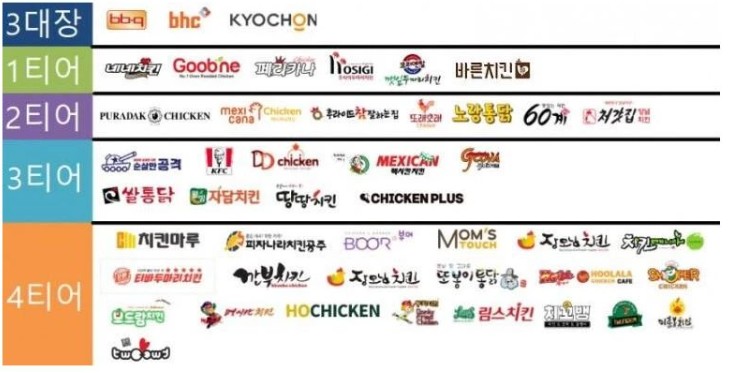
No. 5 — Mexicana Chicken: The Spice Champion of Korean Fried Chicken
Mexicana Chicken might have a Spanish name, but everything about it is deeply Korean. Founded in 1992, it is one of Korea’s oldest fried chicken chains — and it has built its entire identity around heat, spice, and the kind of bold flavors that Korean foods culture celebrates with particular enthusiasm.
Mexicana’s signature offering is its fiery seasoned chicken — coated in a spicy sauce that delivers genuine heat without sacrificing the crispy texture that Korean fried chicken demands. In a market crowded with sweet and mild alternatives, Mexicana has remained loyal to its spicy roots while continuously refining its recipes to meet evolving Korean palate preferences.
The chain’s longevity in Korea’s brutally competitive fried chicken market is itself a testament to quality. Korean consumers are extraordinarily demanding — they will abandon a chain the moment quality drops, and they will champion one that consistently delivers. Mexicana’s three-decade track record speaks louder than any marketing campaign.
Beyond its flagship spicy chicken, Mexicana has expanded its menu to include a wider range of Korean foods including rice dishes, side dishes, and seasonal specials — transforming from a single-concept chain into a broader Korean casual dining destination.
Did you know? The name “Mexicana” was chosen in the early 1990s when Mexican-inspired flavors — particularly chili heat — were considered exotic and exciting by Korean consumers. The name stuck long after the Mexican association faded, becoming simply synonymous with “the spicy chicken chain” in Korean popular culture.
No. 4 — Kyochon Chicken: The Premium Korean Fried Chicken Standard
Kyochon Chicken holds a special place among the most visited restaurant chains in Korea — it is the chain that elevated Korean fried chicken from affordable street food to a premium dining experience that Koreans are genuinely proud to serve to international guests.
Founded in 1991 in Gumi, North Gyeongsang Province, Kyochon built its reputation on a single obsessive commitment to quality. Its signature soy garlic chicken — double-fried for extra crispiness, then glazed with a soy-garlic sauce that caramelizes into a deep amber coating — became the gold standard of Korean fried chicken that every competitor has tried to replicate.
Kyochon’s pricing is deliberately positioned above most competitors. A full chicken from Kyochon costs significantly more than equivalent offerings from budget chains. Korean consumers pay the premium without hesitation — because the quality consistently justifies it. This is a remarkable achievement in a market where price sensitivity is normally extreme.
Internationally, Kyochon has become one of the most recognized Korean foods brands among global audiences. Its locations in the United States, China, and Southeast Asia have introduced Korean fried chicken culture to millions of consumers who might never visit Korea — and created enormous global demand for the authentic experience.
Did you know? Kyochon’s soy garlic recipe was developed through years of experimentation by its founder, who reportedly tested hundreds of sauce variations before settling on the final formula. The recipe has remained essentially unchanged since the chain’s founding — a rare commitment to consistency in an industry that constantly chases trends.
No. 3 — Gimbap Cheonguk: The Home of Everyday Korean Foods
If you want to eat exactly what ordinary Koreans eat on an ordinary day, go to Gimbap Cheonguk. It is not glamorous. It is not trendy. It is the most honest, most democratic, and arguably most important entry on this list of the most visited restaurant chains in Korea.
Gimbap Cheonguk — which translates roughly as “Gimbap Heaven” — is a chain of fast-casual Korean foods restaurants serving the full spectrum of everyday Korean dishes at prices that make eating out accessible to everyone. The menu includes gimbap (Korea’s beloved seaweed rice rolls), tteokbokki (spicy rice cakes), ramen, bibimbap, and dozens of other staple Korean dishes — all prepared quickly, served generously, and priced far below what any tourist-oriented restaurant would charge.
A full meal at Gimbap Cheonguk typically costs between 4,000 and 7,000 Korean won — roughly three to six US dollars. For that price, a Korean worker gets a complete, nutritious, genuinely delicious meal in under five minutes. It is one of the most remarkable value propositions in the global restaurant industry.
The chain’s locations are ubiquitous across Korea — in subway stations, near universities, in office districts, and in residential neighborhoods. For many Koreans, Gimbap Cheonguk is not a restaurant choice — it is simply where you eat when you need food quickly and reliably.
Did you know? Gimbap — the seaweed-wrapped rice rolls that give this chain its name — are often described as Korea’s answer to sushi. But Koreans will firmly correct this comparison: gimbap has its own distinct history, flavor profile, and cultural meaning that has nothing to do with Japanese cuisine.
No. 2 — BBQ Chicken: Korea's Fried Chicken Empire
BBQ Chicken — formally known as BB.Q Chicken — is not just one of the most visited restaurant chains in Korea. It is one of the most ambitious Korean foods brands in the world, operating in over 57 countries with a global expansion strategy that has made it the international face of Korean fried chicken culture.
Founded in 1995 by Genesis BBQ Group, BBQ Chicken built its domestic reputation on a simple but powerful promise: premium ingredients, carefully controlled cooking temperatures, and consistent quality across every location. Its signature Golden Olive Chicken — fried in olive oil rather than conventional cooking oil — became a landmark product that differentiated BBQ from competitors on health and quality grounds simultaneously.
In Korea, BBQ Chicken is synonymous with the “chimaek” culture — the beloved combination of chicken and maekju (beer) that has become one of the defining social rituals of Korean adult life. Ordering BBQ Chicken for a group, cracking open cold beers, and watching sports or a drama together is as Korean as it gets. The chain has not just sold food — it has embedded itself into the fabric of Korean social life.
BBQ Chicken’s international expansion has accelerated dramatically in recent years. Its US locations — particularly in Korean-American communities in New York, Los Angeles, and Atlanta — have introduced chimaek culture to American consumers and generated significant mainstream media coverage of Korean foods culture globally.
Did you know? BBQ Chicken opened a location in Times Square, New York City — one of the most expensive retail locations in the world — as a deliberate statement of intent about its global ambitions. The location regularly attracts lines of both Korean-American customers and curious local New Yorkers.
No. 1 — Lotteria: The Most Visited Restaurant Chain in Korea
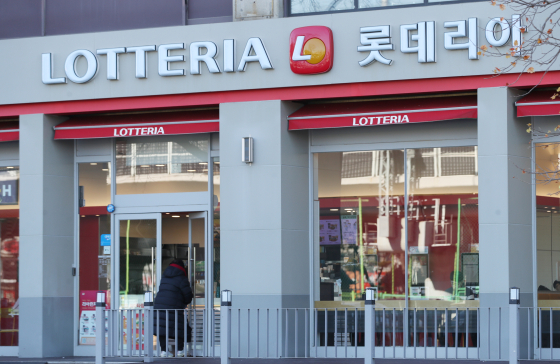
Lotteria is the most visited restaurant chain in Korea in 2026 — and its story is one of the most fascinating in the entire Korean foods industry. On the surface, it looks like a Korean version of McDonald’s. In reality, it is something far more interesting: a genuinely Korean fast food institution that has outlasted, outmaneuvered, and outperformed every global competitor that has entered the Korean market.
Founded in 1979 by Lotte Group — one of Korea’s largest conglomerates — Lotteria was Korea’s first modern fast food chain. It predates McDonald’s Korea by over a decade. By the time the American giants arrived, Lotteria had already shaped Korean consumers’ expectations of what fast food should look and taste like — and it never relinquished that first-mover advantage.
What keeps Lotteria at No. 1 is its deep understanding of Korean foods culture. While global competitors serve menus that are largely identical worldwide, Lotteria constantly develops Korea-specific products that speak directly to Korean taste preferences. Its Shrimp Burger — a crispy fried shrimp patty in a soft bun — has become one of the most iconic fast food items in Korean culinary history. Its seasonal Korean-inspired menu items generate enormous anticipation and social media engagement every time they launch.
Lotteria’s location strategy is also unmatched. With over 1,400 locations across Korea — in shopping malls, transit hubs, university districts, and standalone street locations — it achieves a coverage density that makes it the most accessible chain restaurant in the country. For millions of Koreans, Lotteria is simply the closest option, the most familiar option, and — crucially — the option that always delivers exactly what they expect.
For international visitors, eating at Lotteria is one of the most authentically Korean fast food experiences available. Order the Shrimp Burger. Add a side of sweet corn soup. Understand why Koreans chose this over every global alternative for over four decades.
Did you know? Lotteria’s parent company, Lotte Group, is one of Korea’s five largest conglomerates — operating businesses across retail, hotels, chemicals, construction, and entertainment. Lotteria was the group’s original consumer food business and remains one of its most recognizable brands among ordinary Korean consumers.
What Korea’s Restaurant Chains Tell Us About Korean Foods Culture
The most visited restaurant chains in Korea in 2026 reveal something important about Korean foods culture that no cookbook or travel guide can fully capture. Koreans are demanding, loyal, and deeply proud of their food. They reward quality with fierce devotion and punish mediocrity with immediate abandonment.
Fried chicken dominates this list — not because Koreans lack culinary imagination, but because Korean fried chicken is genuinely one of the greatest achievements in global food culture. The diversity of chains, flavors, and styles within this single category reflects a level of refinement that most countries never apply to any single dish.
From Gimbap Cheonguk’s democratic accessibility to Kyochon’s premium obsession, from Halmae Bonjuk’s traditional warmth to Lotteria’s four-decade dominance — these chains are not just restaurants. They are institutions that define how Koreans nourish themselves, socialize, and celebrate every single day.
Which chain would you visit first? If you’re preparing for a trip to Korea, explore our guides on [/best-korean-app-2026] and [/best-attraction-korea-2026] to plan the perfect Korean experience.
Frequently Asked Questions
What is the most visited restaurant chain in Korea in 2026? Lotteria is the most visited restaurant chain in Korea in 2026. Founded in 1979, it is Korea’s oldest fast food chain and maintains over 1,400 locations nationwide. Its deep understanding of Korean foods culture and Korea-specific menu items have kept it ahead of global competitors for over four decades.
Why does Korea have so many fried chicken chains? Korean fried chicken culture is one of the most developed in the world. The combination of double-frying technique, diverse flavor profiles, and the beloved “chimaek” culture — chicken paired with beer as a social ritual — has created extraordinary domestic demand. Korea has more individual fried chicken restaurants than McDonald’s has locations globally.
What Korean foods can I find at Gimbap Cheonguk? Gimbap Cheonguk serves a wide range of everyday Korean foods including gimbap, tteokbokki, ramen, bibimbap, and various rice and noodle dishes. Meals typically cost between 4,000 and 7,000 Korean won — making it one of the most affordable dining options in Korea.
Is Paris Baguette a French or Korean brand? Despite its French name and European-inspired aesthetic, Paris Baguette is a Korean brand operated by SPC Group. It was founded in Korea in 1988 and has since expanded to over 10 countries. Its menu blends French-inspired pastries with distinctly Korean flavors and seasonal products.
What is chimaek culture in Korea? Chimaek is a combination of “chicken” and “maekju” (beer) — a beloved Korean social ritual of eating fried chicken while drinking beer, often while watching sports or a drama. It is one of the defining social experiences of Korean adult life and has been exported globally through K-dramas that feature the tradition prominently.