
Top 8 Hidden Travel Destinations in Korea Locals Love
Traveling in Korea often means visiting famous landmarks that appear in every guidebook. Places like Myeongdong, Dongdaemun, Gwangjang Market, or N Seoul Tower are well-known for a reason. However, crowded tourist spots tend to create similar experiences and forgettable memories.
Korea has another side that many visitors never see. Across the country, locals enjoy quieter neighborhoods, creative districts, traditional markets, and nostalgic spaces that feel natural and lived-in. These places are not built for tourists. They are part of everyday Korean life.
If you want to experience Korea the way locals do—especially young Koreans—these hidden travel destinations are the perfect place to start.
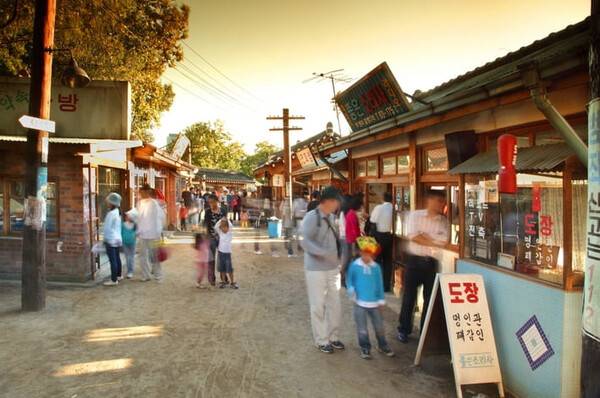
Hidden inside the National Folk Museum of Korea, Memory Alley recreates everyday street life from the 1960s to the 1980s. Many visitors overlook this area, but locals love it for its nostalgic atmosphere.
You can see old barbershops, comic book stores, traditional cafés, and vintage photo studios. Visitors can listen to classic Korean music, try traditional street games, and even take black-and-white photos in old-style school uniforms.
It’s a fun and immersive way to understand Korean daily life from the past.
Gwangjin Bridge No.8 is one of Seoul’s best-kept secrets for enjoying the Han River at night. Located beneath the 8th pillar of Gwangjin Bridge, this quiet cultural space offers stunning city views without the crowds found at more famous night spots.
Inside, you’ll find a small exhibition hall themed around the 100-year history of the Han River, along with rotating performances, exhibitions, and cultural programs. Large glass windows frame the river and Seoul’s skyline, making it a favorite place for locals to relax and quietly enjoy the view.
You can sit by the window, read a book from the nearby shelves, or simply enjoy “water-gazing”—a calming activity many Koreans love. Open from 12:00 PM to 10:00 PM (closed Mondays), this spot offers a peaceful alternative to crowded Han River parks.
Mullae-dong is where old steel factories and modern art coexist. Originally an industrial area, it slowly transformed as young artists moved in and created studios, cafés, and small bars among iron workshops.
Colorful murals, graffiti, and creative spaces fill the narrow streets. The raw, industrial atmosphere gives the neighborhood a unique charm. Locals often visit with friends in the evening, making it an ideal spot for travelers looking for Seoul’s creative side.
Yongma Land (Abandoned Amusement Park with Retro Vibes)
Yongma Land is an abandoned amusement park that has become a hidden favorite among young Koreans. Although it may look spooky at first, the retro rides and vintage decorations create a unique Y2K atmosphere.
The park is especially popular at sunset, when soft lights turn the space into a dreamy photo spot. Many fashion shoots and creative projects take place here, making it perfect for travelers who enjoy unusual locations.
Seodaemun Prison History Hall (Korea’s Modern History Site)
Seodaemun Prison History Hall is a powerful place that offers deep insight into Korea’s modern history. Once a prison used during the Japanese colonial period, it now stands as a memorial to Korean independence activists.
Visitors can walk through preserved prison cells, interrogation rooms, and exhibition halls that tell the stories of those who fought for freedom. While emotionally heavy, it is an important place many Korean students and young adults visit to better understand their country’s past.
This site is ideal for travelers who want more than sightseeing—offering historical context and meaningful reflection beyond typical tourist spots.
Naksan Park (Seoul Wall Sunset Walk)
Located along the historic Seoul City Wall, Naksan Park is a favorite sunset and night-walk destination for locals. Unlike more famous viewpoints, it remains relatively quiet and relaxed.
Walking along the wall, visitors can enjoy panoramic views of Seoul’s neighborhoods as the city lights slowly turn on. Couples and young locals often visit in the evening for a peaceful stroll rather than a busy sightseeing experience.
It’s one of the best places to enjoy Seoul’s skyline in a calm, local atmosphere.
Nodeul Island (Creative Island on the Han River)
Nodeul Island is a cultural island floating on the Han River, loved by young Koreans for its creative and relaxed vibe. Once neglected, it has been reborn as a space for music, art, books, and outdoor relaxation.
The island hosts concerts, exhibitions, and weekend events, while also offering green spaces where locals picnic or read by the river. With views of the Han River and Seoul’s bridges, it’s especially popular at sunset.
For travelers wanting to experience how young Koreans spend their free time, Nodeul Island is a must-visit hidden destination.
Gyeongdong Market (Where Locals Go for Real Korean Market Culture)
While Gwangjang Market is famous worldwide, many Koreans now choose Gyeongdong Market for a more authentic experience. This traditional market is still deeply connected to local daily life, making it one of Seoul’s most genuine hidden spots.
Here, you’ll find fresh produce, dried seafood, herbs, traditional medicine ingredients, and homemade side dishes. Prices are reasonable, and the atmosphere feels natural rather than staged for visitors.
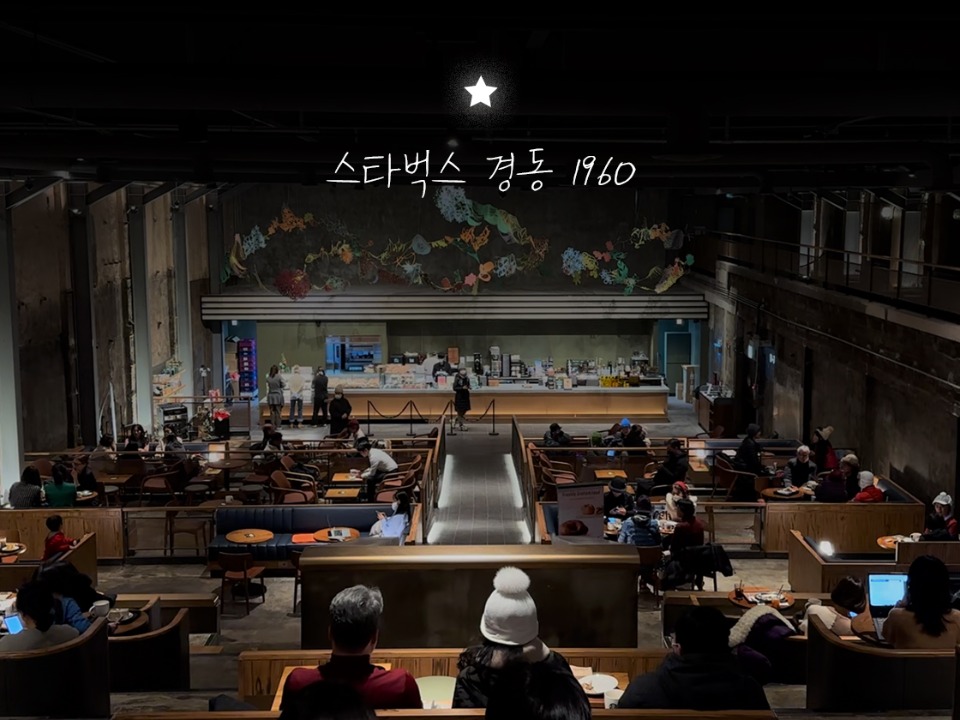
Inside the market, Starbucks Gyeongdong 1960 is a must-visit. Located in a renovated traditional theater, it combines retro Korean architecture with modern café culture. It’s one of the most unique Starbucks locations in Korea and a favorite stop for young locals.
Traveling in Korea doesn’t have to mean following the same crowded routes found in every guidebook. Beyond the famous landmarks and viral destinations, there is a quieter, more meaningful side of Korea that locals truly enjoy in their everyday lives. From traditional markets that still serve local communities to creative neighborhoods, nostalgic streets, and peaceful riverside spaces, these hidden travel destinations offer experiences that feel genuine rather than staged.
By visiting places loved by Koreans themselves, you gain more than photos—you gain context, atmosphere, and stories that stay with you long after the trip ends. These are the places where young Koreans spend their weekends, where history blends naturally with modern life, and where Korea feels less like a destination and more like a lived-in culture. If you’re looking to move beyond tourist checklists and experience Korea the way locals do, start with these hidden spots—and let them guide you toward a deeper, more authentic journey through the country.