
What K-Pop Demon Hunters Secretly Reveals About Korean Culture
Why K-Pop Demon Hunters Feels Surprisingly “Korean”
K-Pop Demon Hunters may look like a stylish fantasy built around music and action, but beneath the surface, it carries surprisingly authentic elements of Korean culture. For many international viewers, the show becomes more than entertainment—it becomes an entry point into understanding how Korean society blends modern pop culture with deep-rooted traditions. From the importance of teamwork to the emotional intensity of performance culture, the story reflects values that are deeply embedded in Korea’s social fabric. Even the way characters train, sacrifice, and protect each other mirrors real-life dynamics seen in K-pop groups and Korean communities. If you look closely, the demons are fictional—but the cultural codes are very real.
1. The Intense Training System Behind K-Pop Culture
One of the strongest cultural reflections in K-Pop Demon Hunters is the rigorous training system. In reality, K-pop idols go through years of structured preparation before debuting. Vocal training, choreography, language education, media training, and personality development are all part of the process.
The show dramatizes this discipline through high-stakes combat and performance scenes, but the foundation is accurate: excellence in Korea often comes from relentless practice. This reflects a broader societal value rooted in 노력 (effort) and 인내 (endurance). Success is rarely portrayed as accidental; it is earned through sacrifice.
For global audiences, this explains why K-pop performances appear almost superhuman. Behind the glamour lies a culture that prizes preparation and perfection.
2. Teamwork Over Individualism: The Power of the Group
Unlike many Western narratives that highlight individual heroes, K-Pop Demon Hunters emphasizes group synergy. Each member has unique strengths, but victory depends on coordination.
This mirrors Korean collectivist values. In Korean workplaces, schools, and entertainment industries, harmony within the group (often referred to as “team chemistry”) is essential. Even K-pop idols are rarely marketed as solo entities at debut; they succeed as part of a team.
The show subtly communicates an important Korean principle: individual talent shines brightest when aligned with group purpose. Conflict may exist, but unity ultimately prevails.
3. Blending Tradition with Modern Pop Aesthetics
A fascinating cultural layer in K-Pop Demon Hunters is the fusion of traditional symbolism with ultra-modern visuals. Whether through costume motifs, mythological references, or spiritual themes, the narrative echoes Korea’s long history of folklore and shamanistic storytelling.
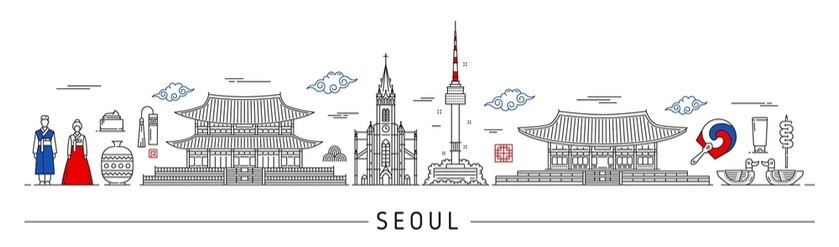
Korean culture often merges the past with the present. You can see this in real life—ancient palaces stand next to skyscrapers, and traditional hanbok designs inspire modern fashion collections. The show reflects this duality by embedding spiritual conflict within a global pop music framework.
For foreign viewers, this blend demonstrates that Korea’s globalized image does not erase its historical identity. Instead, it repackages it creatively.
4. Emotional Expression and Performance Culture
Korean entertainment places strong emphasis on emotional delivery. Whether in K-dramas or K-pop concerts, intensity is not hidden—it is amplified.
In K-Pop Demon Hunters, performances are not just musical acts; they are emotional battles. This dramatization reflects a real cultural trait: performance as catharsis. Korean audiences value sincerity and visible emotional investment. Idols are expected to connect deeply with fans, and authenticity is a key factor in long-term popularity.
This emotional transparency may feel heightened to international viewers, but within Korean culture, it aligns with expectations around passion, dedication, and relational connection.
5. The Concept of Sacrifice for a Greater Purpose
Another subtle but powerful theme is sacrifice. Characters endure hardship not just for personal gain, but to protect others.
In Korean society, responsibility toward family, team, and community remains strong. Concepts like filial duty, loyalty, and shared struggle are culturally significant. The show reflects this through its narrative arc: power is meaningful only when used to safeguard others.
This idea resonates deeply in Korea’s modern storytelling. Heroes are rarely detached individuals; they are part of a social network that shapes their decisions.
Why Global Fans Connect with These Cultural Layers
What makes K-Pop Demon Hunters culturally compelling is not just its action or music—it is the way it encodes Korean values into a globally accessible format. International fans may first be drawn in by visuals and choreography, but many stay because they sense authenticity beneath the spectacle.
The series acts as a cultural bridge. It translates Korean collectivism, performance intensity, mythological heritage, and work ethic into a narrative language that global audiences can understand. In doing so, it demonstrates how Korea exports not just entertainment, but worldview. For viewers curious about Korea, this show becomes more than fiction—it becomes a cultural case study wrapped in fantasy.
Entertainment as a Window into Korean Society
K-Pop Demon Hunters proves that pop culture can function as cultural diplomacy. Through stylized battles and musical performances, it reveals values that define contemporary Korea: discipline, unity, emotional depth, historical continuity, and collective responsibility.
For global audiences, recognizing these elements transforms the viewing experience. What initially feels like high-energy fantasy gradually reveals itself as a reflection of real social structures and beliefs. In that sense, the show does something powerful—it entertains while educating.
And perhaps that is the true strength of modern Korean media. It does not simply cross borders; it carries culture with it.
I love it! Korean characters are so lovely 😀